
From healthy diets to mental wellbeing practices, wellness is now a key driver of how people live, spend, and engage with brands. These choices extend far beyond personal habits: they are fueling the growth of the wellness economy and reshaping how businesses build connections with consumers.
✨ Resuma este artigo com IA
This article explores what wellness really means and how the wellness economy has become a multi-trillion-dollar force shaping global industries. We’ll look at:
- The definition of wellness and the scope of the wellness economy;
- Its rapid growth and influence on consumer behavior;
- The intersection between wellness and digital marketing, with real brand examples;
- Future perspectives that show why understanding the wellness economy is essential for building strategies that remain relevant in a changing world.
What is the Wellness Economy?
Wellness, as defined by the Global Wellness Institute, is the proactive pursuit of healthy habits and lifestyles that support holistic wellbeing. In other words, it is about more than avoiding illness — it is a conscious choice to cultivate physical, mental, and emotional balance.
From this perspective, it brings together all industries that enable people to live in alignment with these goals. It includes sectors such as:
- Healthy nutrition;
- Fitness and physical activity;
- Mental health and mindfulness;
- Personal care and beauty;
- Workplace wellness programs;
- Wellness tourism.
What once was considered a niche or luxury has now become a mainstream lifestyle priority. Consumers of all ages and cultures are weaving wellbeing into their everyday routines, from the food they eat to the way they work and travel. This widespread adoption is not only reshaping habits but also driving rapid expansion across multiple sectors.
As a result, the wellness economy has grown into a multi-trillion-dollar market — a scale that highlights just how powerful this cultural shift has become. Let’s look more closely at the growth of the global wellness economy and the trends shaping its future.
The Growth of the Global Wellness Economy
Over the past decade, the wellness economy has expanded at an impressive pace. According to recent reports from the Global Wellness Institute, the market size has surpassed several trillion dollars worldwide, making it one of the fastest-growing global industries.
Key drivers of this growth include rising health awareness, the digitalization of wellness services, and generational shifts, as younger consumers tend to prioritize experiences and self-care over material possessions. Emerging trends such as mindfulness, personalized nutrition, and hybrid fitness experiences highlight how wellbeing continues to evolve and diversify.
This rapid growth isn’t only about numbers — it’s directly shaping the way consumers make everyday decisions.
How Wellness Shapes Consumer Choices
Wellness is no longer just a personal goal — it’s a deciding factor in how people shop, travel, and even work. Consumers are actively looking for products and services that make them feel healthier, more balanced, and more aligned with their values.
This shift is visible everywhere:
- Food & Beverage: People are willing to pay more for organic, plant-based, or functional foods that support long-term health;
- Fashion & Beauty: Clean beauty products and sustainable clothing brands are gaining traction because they connect wellbeing with ethics and self-expression;
- Travel: Wellness tourism — from yoga retreats to eco-friendly hotels — is one of the fastest-growing segments in the travel industry;
- Workplace & Lifestyle: Employees now prioritize mental health benefits, flexible schedules, and companies that promote work-life balance.
In short, wellness has become a value system guiding lifestyle choices. Today’s consumers want brands that not only sell products but also support their journey toward healthier and more meaningful living. Businesses that embrace this shift can build stronger trust, loyalty, and long-term relationships.

And this is where digital marketing plays a crucial role in connecting wellness values with real consumer engagement.
Where Wellness Meets Digital Marketing
Digital marketing has become the bridge between the booming wellness economy and consumers’ daily lives. Social media platforms, wellness apps, and personalized online experiences allow brands to show up where people are already seeking balance and inspiration.
Wellness-focused storytelling works especially well — from Instagram campaigns promoting mindful breaks to YouTube series on healthy cooking. Influencer partnerships are also powerful, since people trust recommendations from voices that share their values. On top of that, data-driven personalization helps brands deliver exactly what consumers need, whether it’s a meditation app reminder, a fitness challenge, or a curated set of skincare tips.

The real difference lies in authenticity: consumers can quickly tell when a brand is simply “using” wellness as a buzzword versus genuinely promoting healthier, happier lifestyles. The brands that succeed are the ones that live their message, creating communities around shared values and long-term well-being.
Several brands across industries are already leading by example, showing how wellbeing can be woven into successful business strategies. You can learn more about it in the next topic!
Brands Embracing Wellness
Many brands are already showing how powerful it can be to integrate wellness into their strategies. Fitness apps like Peloton and Calm have transformed the way people exercise and meditate from home, making wellness more accessible and personal. In the food industry, companies are expanding their portfolios with plant-based, organic, and functional products that match consumers’ desire for healthier lifestyles.

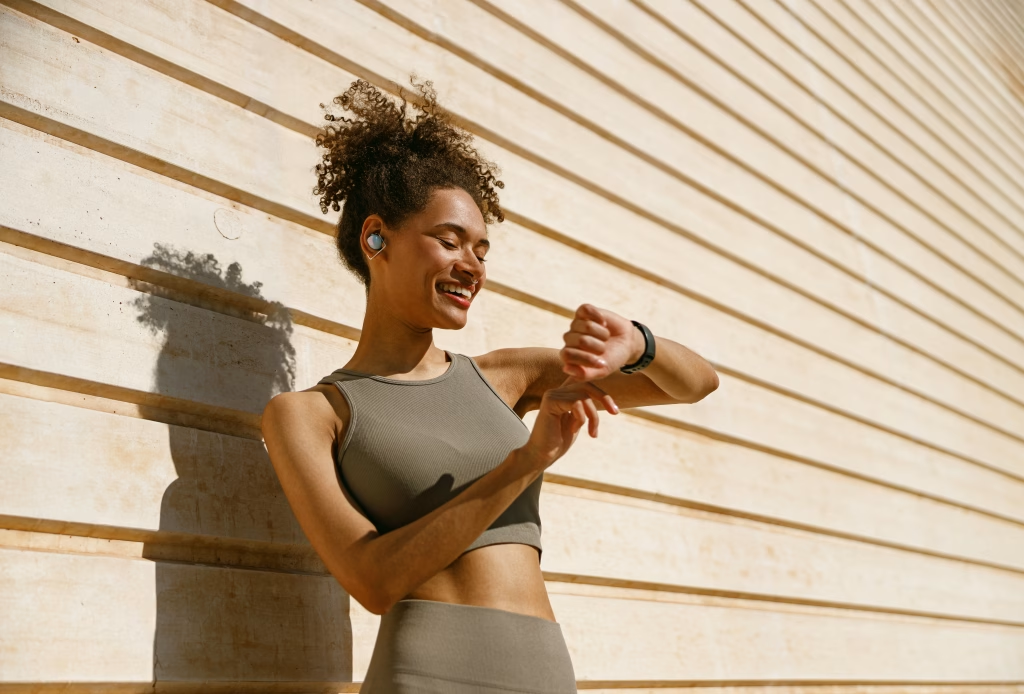
Even tech giants are embracing wellness: think of Apple’s health features, from sleep tracking to mindfulness reminders, or Fitbit’s personalized insights that turn data into daily motivation. Beauty and fashion brands are also stepping in, offering clean beauty lines and sustainable clothing collections that align self-care with ethical values.
The message is clear: wellness is no longer a “nice to have” — it’s a cultural expectation. Brands that adapt are not just selling products; they’re becoming part of people’s wellbeing journey.
Looking ahead, this cultural shift is set to become even stronger, shaping the future of business and consumer expectations.
What’s Next for the Wellness Economy
The wellness economy is only getting started. Technology, sustainability, and mental health awareness will keep driving new opportunities. From AI-powered health apps to eco-friendly wellness tourism, the future promises solutions that are smarter, greener, and more personalized.
But with this growth comes a big challenge: authenticity. Consumers are becoming more aware and selective. They want transparency, real impact, and brands that truly live by their wellness values — not just marketing slogans. Companies that can combine innovation with honesty will stand out, building stronger trust and long-term loyalty.
In the years ahead, wellness won’t just be an industry — it will be a cultural expectation shaping how people live, work, and connect with the world around them.
For businesses and marketers, the question is no longer if wellness matters, but how to turn it into a long-term strategy.
Turning Wellness into Strategy
Wellness is no longer optional — it’s reshaping the way people live and the way businesses grow. For marketers, understanding this shift is key to creating strategies that connect, inspire, and last.
At Cluster, we dive deep into marketing and cultural trends to help brands stay ahead. Explore our insights and discover how the wellness economy can guide you toward digital strategies that are relevant, authentic, and future-proof.
Frequently Asked Questions
1. What is the wellness economy?
The wellness economy includes industries that promote physical, mental, and emotional well-being, such as nutrition, fitness, mindfulness, and self-care. It reflects a cultural shift toward healthier and more balanced lifestyles.
2. Why is the wellness economy growing so fast?
Rising health awareness, digital wellness tools, and changing consumer values are driving growth. People are prioritizing experiences, sustainability, and self-care, turning wellness into a global multi-trillion-dollar market.
3. How does wellness influence consumer behavior?
Wellness shapes how people eat, travel, and shop. Consumers favor brands offering sustainable, healthy, and ethical products that align with their values and contribute to overall well-being.
4. How can brands integrate wellness into their marketing strategies?
Brands can connect with wellness-focused audiences through authentic storytelling, influencer partnerships, and personalized digital experiences that promote real balance and self-care.
5. What does the future of the wellness economy look like?
Technology, sustainability, and mental health awareness will keep shaping the wellness economy. Brands that combine innovation with authenticity will build stronger trust and long-term relevance.