
A platform previously synonymous with real-time connection and brand buzz is now facing a crisis of relevance. With the mass departure of brands from Twitter, now known as X, isn’t just a passing moment; it’s a seismic shift signaling a new era in digital marketing.
✨ Resuma este artigo com IA
Once, Twitter played a crucial role for brands aiming to build lasting relationships with customers and boost brand visibility through real-time engagement and targeted advertising.
However, since Elon Musk acquired the platform in 2022, rebranded it as ‘X,’ and implemented significant changes, many brands have begun rethinking their relationship with it, with a growing number ultimately deciding to exit entirely.
In this article, we will explore the reasons behind this shift, its impact on marketing strategies, and potential alternatives for businesses navigating the ever-changing social media landscape.
Twitter’s Repositioning and Its Impact on Brand Strategy
Elon Musk’s transformation of Twitter goes beyond merely cosmetic changes like the brand name and logo; it reflects his ambition to shift the platform’s focus towards an “everything app”, creating new dynamics for businesses and their marketing strategies.
While some initially saw these changes as potentially beneficial, two significant shifts raised concerns among market experts: the overhaul of the algorithm and Musk’s emphasis on “free speech.”

As a vocal proponent of this policy, Musk has redefined content moderation, allowing more controversial and toxic content to thrive. This shift has led to the reinstatement of previously banned accounts, including those associated with hate speech, misinformation, and disinformation, raising concerns for brand safety.
As a result of these transformations, many brands are distancing themselves from the platform, with an increasing number withdrawing their presence due to the fear of association with harmful content and the platform’s volatile environment.
This shift prompts a deeper exploration into the specific reasons behind this exodus and the challenges businesses are now facing.
Why Are Brands Abandoning Twitter?
According to a recent study by the Very Online Survey, 59% of social media professionals plan to move their brands away from platforms this year, with 65% of those specifically abandoning Twitter/X. The primary reasons for this shift are concerns over brand safety, return on investment (ROI), and overall performance.
The rise of racist and homophobic content, alongside other forms of hate speech, has led brands to re-evaluate their presence on the plataform. Musk’s relaxed content moderation policies, which now allow for more controversial material, have sparked significant backlash from many advertisers concerned about the safety of their brands.

This redefined approach has placed brands in a precarious position, as they risk being associated with content that may not align with their values. For businesses that prioritize safe and positive engagement, these changes pose a serious challenge.
The platform’s new direction has led to many companies withdrawing their advertising spend from Twitter/X, seeking to distance themselves from a platform where their messages risk being displayed alongside harmful content or linked to toxic conversations.
But it’s not just brands—users are also leaving Twitter/X for other platforms, a trend that is forcing businesses to reevaluate their digital strategies and consider alternatives that better align with their brand values and goals.
As the decline of Twitter/X forces brands to reassess their social media strategies, it’s more crucial than ever to explore the platforms that best align with your audience and marketing objectives. Let’s look at some of the options available for businesses in the next section.
Strategic Alternatives for Brands Leaving Twitter/X
These profound shifts, while not necessarily signaling the end of Twitter/X as a platform, undeniably highlight the critical need for marketers to diversify and prioritize other strategic platforms for their brand presence.
According to the Very Online Survey, 92% of social media marketers consider Instagram a priority platform. In fact, 60% of respondents stated that if they could only post on one platform for the rest of the year, they would choose Instagram.
Therefore, for brands seeking clarity on where to focus their efforts, Instagram emerges as a strong contender for audience engagement. However, the digital landscape remains dynamic, and vigilance regarding other rising platforms and emerging opportunities is crucial.
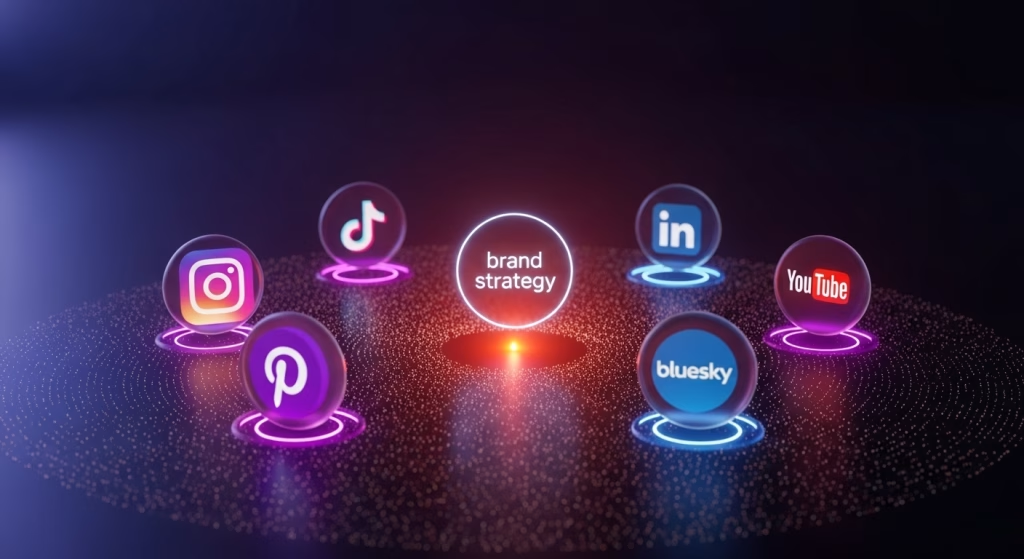
Beyond Instagram’s broad appeal, a multi-platform strategy becomes paramount. Each social platform offers unique strengths that cater to different marketing objectives and audience segments. Here are some key platforms to consider:
- LinkedIn: The undisputed hub for B2B engagement, thought leadership, and professional networking.
- TikTok: Dominates short-form video content and trend-based viral campaigns, essential for reaching younger demographics.
- Facebook: Maintains vast reach for community building and targeted advertising.
- YouTube: Indispensable for long-form video tutorials, and deep-dive content.
- Pinterest: A visual-centric platform ideal for inspiration and e-commerce-driven discovery.
- Bluesky: The emergence of this platform signals growing interest in alternative, potentially more controlled digital spaces, offering opportunities for early adopters.
Nevertheless, before committing resources to any platform, brands must thoroughly understand where their audience is most active and which platforms will provide the highest ROI. Now, let’s explore some additional strategies brands should consider in this ever-changing landscape.
How Should Brands Navigate This New Social Media Landscape?
In today’s ever-changing social media environment, brands must adapt to shifting platforms and evolving audience behaviors. Here are some strategies to help brands thrive in this volatile landscape:
Invest in owned media and direct-to-consumer channels
It is critical for brands to strengthen their owned media. By investing in robust websites, engaging blogs, and personalized email campaigns, brands gain complete control over their content, audience data, and messaging. These channels offer a direct line to consumers, reducing reliance on platforms whose policies and algorithms are constantly changing.
Strategic diversification and audience alignment
To maximize impact and mitigate risk, brands should diversify across platforms, engaging with different audience segments. Success depends on understanding where your audience spends time and selecting platforms that align with their preferences, ensuring content resonates and delivers optimal ROI.

Track performance and ROI
Continuously measure the performance of your efforts across various platforms. Tracking analytics and ROI will help you understand which platforms and strategies yield the best results. Use this data to adjust your approach and optimize your marketing strategy for maximum impact.
Adapt quickly to changes
Social media platforms are constantly evolving, so flexibility is key. Stay ahead of algorithm changes and new policies by regularly monitoring platform updates, subscribing to industry newsletters, or participating in relevant forums and groups. Brands that can pivot efficiently will maintain a competitive advantage.
Remember to prioritize brand safety, audience engagement, and continuous performance tracking to ensure your brand can effectively navigate this ever-changing landscape and stay connected with its audience.
The Future Beyond Twitter/X
Twitter’s diminishing brand safety, inconsistent ROI, and policy/algorithm issues have spurred its decline. As Twitter’s dominance wanes, the future for brands lies in a more diversified social media strategy.
The rise of platforms like Instagram, TikTok, LinkedIn, and emerging players like Bluesky offers brands new opportunities to engage with audiences in more controlled, creative, and impactful ways.
Navigating this complex environment requires expert insight. For personalized strategies that ensure your brand thrives, contact Cluster today, and let’s shape your brand’s future success.
FAQ
Why are brands leaving Twitter/X?
Brands are leaving due to concerns about brand safety, exposure to harmful content, reduced ROI, and changes in content moderation policies that allow more toxic content to thrive.
How has Elon Musk’s ownership impacted Twitter/X?
Musk’s changes include algorithm overhauls, a rebranding to “X,” and looser content moderation, which led to increased hate speech and misinformation, causing advertisers to pull back.
What are the risks for brands that remain on Twitter/X?
Brands risk being associated with harmful or controversial content, damaging their reputation and weakening trust with their audiences.
What alternatives do brands have to Twitter/X?
Brands are shifting to platforms like Instagram, LinkedIn, TikTok, YouTube, Facebook, Pinterest, and emerging networks like Bluesky, each offering unique opportunities for engagement.
How should businesses adapt to the new social media landscape?
Companies should diversify platforms, invest in owned media such as websites and email marketing, track ROI closely, and stay flexible to adapt quickly to algorithm and policy changes.