
In today’s digital landscape — where attention is short-lived and competition intense — brands can no longer rely solely on campaign bursts to stay relevant. In this fast-paced environment, always-on marketing has evolved from a competitive advantage to a strategic necessity.
✨ Resuma este artigo com IA
This approach entails continuous, sustained efforts to connect with your audience, cultivate meaningful relationships, and drive consistent results. Crucially, this continuous model is increasingly complementing the more traditional, time-bound marketing campaign structure.
Want to better understand this strategy? In this article, we’ll explore what it means to be always-on, its key benefits, how to implement it, common challenges (and how to overcome them), and how to integrate always-on efforts with campaign-based marketing for maximum impact. Enjoy the read!
What Does It Mean to Be “Always-On” in Marketing?
Always-on marketing shifts from isolated campaigns to a continuous, integrated strategy that keeps your brand consistently engaged with your audience. In essence, it’s about ensuring your brand is not only present but also relevant to be the preferred choice for customers in a crowded digital landscape.
So, what does presence mean in marketing within an always-on framework? It means your brand is consistently visible and accessible across multiple touchpoints, allowing your audience to encounter it organically and continuously. This persistent visibility is crucial for building long-term brand recognition and fostering deeper engagement.
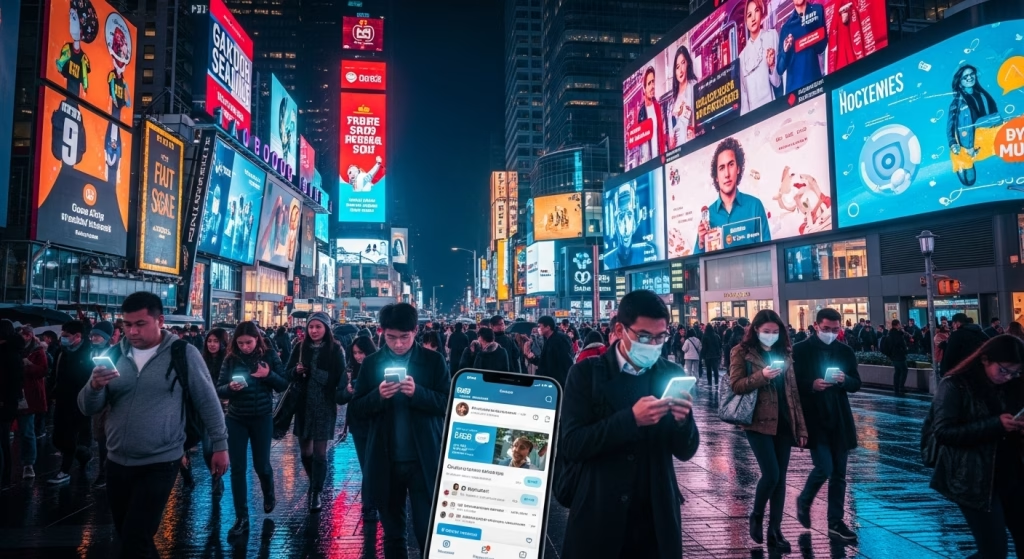
Beyond presence and relevance, constancy is another core aspect of always-on marketing. It means maintaining consistent visibility, nurturing customer connections, and reinforcing relationships through steady messaging and continuous value delivery. It’s about being reliably present and relevant over time.
Ultimately, being “always-on” is about embedding your brand into the daily lives and routines of your target audience, making it a reliable and trusted resource rather than an occasional advertiser. This approach focuses on active listening, personalization, and real-time engagement.
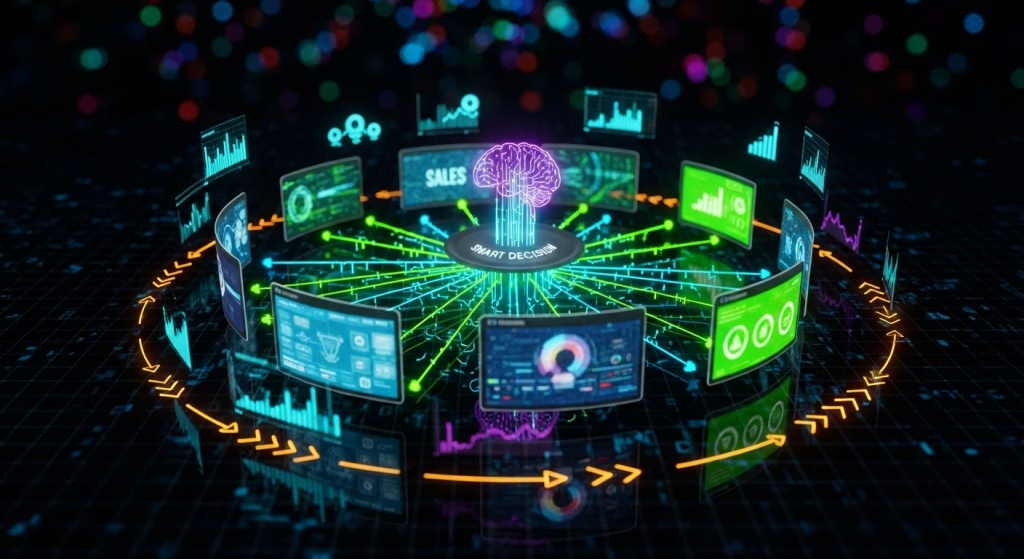
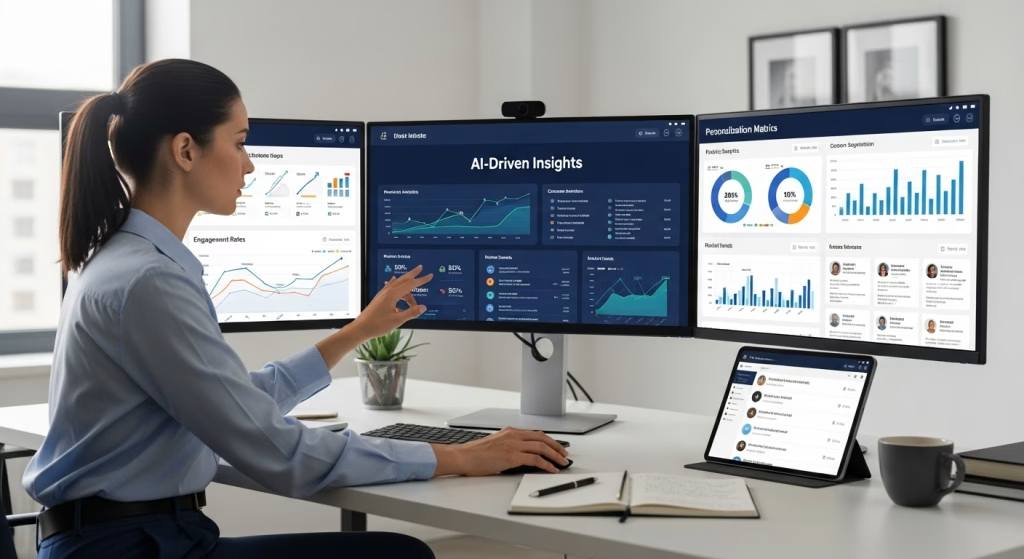
Achieving a seamless always-on presence is enhanced by leveraging modern marketing tools and strategies. AI-powered tools and data analytics allow for more personalized engagement and more efficient resource allocation.
To gauge the success of your always-on marketing strategy, monitor key metrics like engagement rates, customer retention, and lifetime value. These indicators will help you assess the effectiveness of your ongoing efforts and refine your approach over time.
So, what are the tangible benefits brands can expect from sustained always-on engagement? Continue reading to discover how this approach can drive transformative results for your brand!
Benefits of Always-On Marketing
An always-on marketing approach ensures that brands are consistently present and engaged with their audience, whether through compelling content or active social media interaction. By maintaining this continuous presence, brands can unlock several significant advantages:
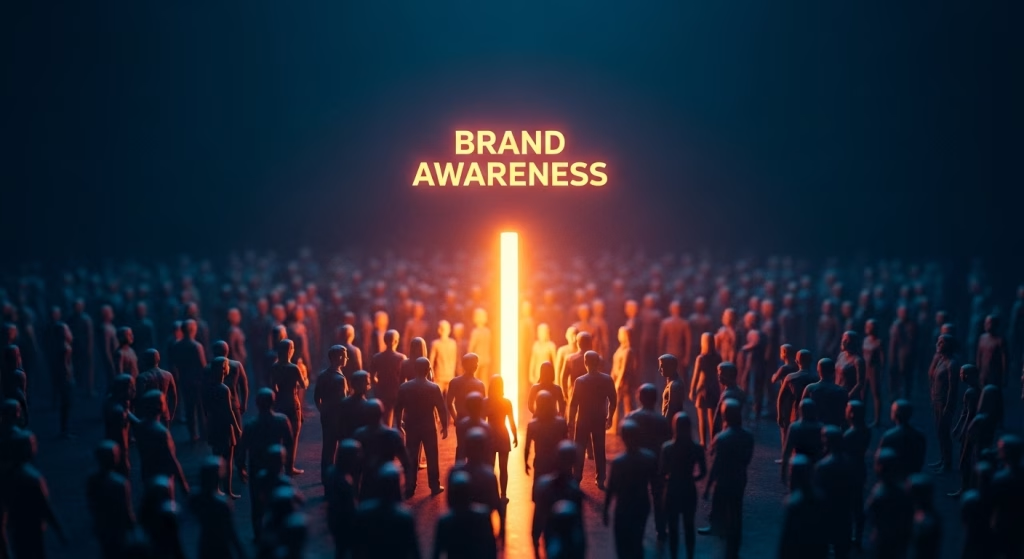
Brand awareness
Always-on marketing ensures your brand maintains a consistent and non-intrusive presence across multiple touchpoints—whether through content, social media, or customer interactions.
This approach allows your brand to stay top-of-mind, subtly reinforcing recognition and trust without overwhelming or being overly pushy. Over time, this consistent visibility fosters stronger brand recall and deeper connections with your audience, making your brand a familiar and trusted entity.

Stronger relationship with customers
By staying top-of-mind, your brand naturally builds stronger connections with customers. However, creating a truly solid relationship goes beyond simple awareness; it requires a consistent, multi-channel approach.
Maintaining a unified brand message, identity, and tone across all channels builds trust and strengthens recognition. Furthermore, constant contact marketing, delivered through digital channels like email, social media, and personalized ads, actively nurtures these relationships.
Personalized experiences are crucial for this, with 96% of marketers in a HubSpot survey reporting increased sales as a direct result of personalization. This ongoing, data-driven engagement not only attracts potential leads but also deepens relationships with existing customers, fostering trust, loyalty, and long-term connections.
Comprehensive funnel approach
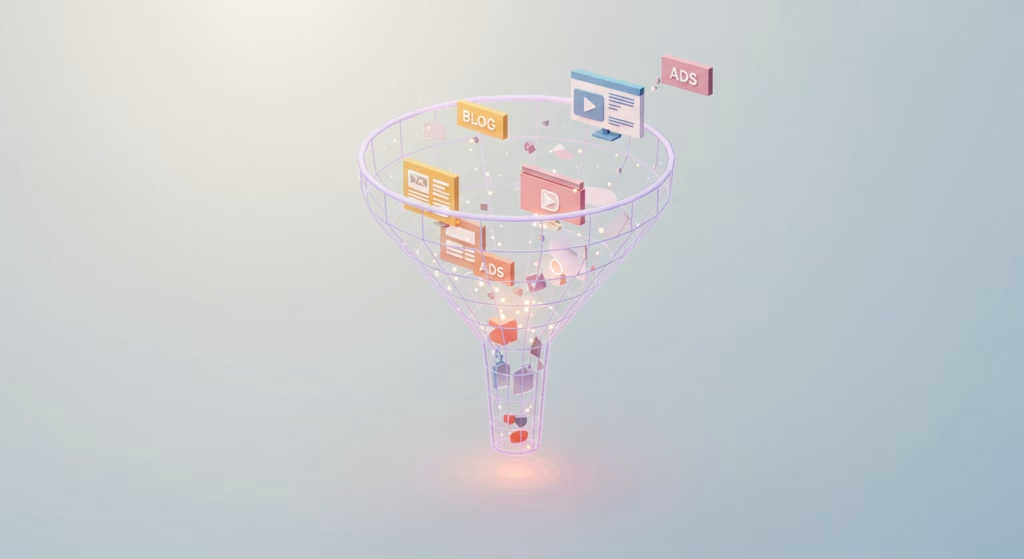
A productive always-on marketing strategy adopts a comprehensive funnel approach, creating and distributing content that engages customers at every stage of their journey—from initial brand awareness to driving ultimate purchases.
By continuously nurturing relationships throughout the entire customer lifecycle, this approach ensures consistent touchpoints that build trust, enhance customer loyalty, and ultimately optimize conversions.
Overall, this method helps your brand drive results by staying present and relevant. To understand how to continuously fuel this engagement, let’s explore strategies to optimize always-on marketing in the next section.
Always-On Marketing Strategies
To effectively implement always-on marketing, brands must adopt a range of integrated strategies that ensure continuous engagement and visibility. These strategies are powered by using multiple channels, allowing for sustained interaction with customers. Here are some key strategies:
Content creation and distribution
Regularly publishing valuable content—whether insightful blog posts, engaging videos, or informative infographics—helps keep your brand visible and accessible.
By creating content tailored to different customer stages and leveraging AI to convert text into multi-modal campaigns, you can nurture relationships and provide useful insights. Repurposing content across various channels and formats further expands its reach.
Social media engagement
Active participation on social media platforms is crucial for engaging with your audience. Responding to comments, messages, and sharing user-generated content ensures ongoing interaction and helps build stronger connections with your community.
Email marketing and automation
Personalized email campaigns, combined with automation, help brands engage with customers continuously. By segmenting audiences and tailoring content, you can nurture leads and strengthen existing relationships.
SEO and AEO
Search Engine Optimization (SEO) ensures ongoing optimization of your website and content for search engines, driving consistent organic traffic. Answer Engine Optimization (AEO) works alongside this, structuring content to appear in featured snippets and answer boxes.
As AI transforms how people search, both SEO and AEO are essential for maximizing visibility and reinforcing brand awareness. Together, these strategies improve discoverability and attract new customers while adapting to the evolving search landscape, especially with the rise of generative AI in search.
Personalized customer experience
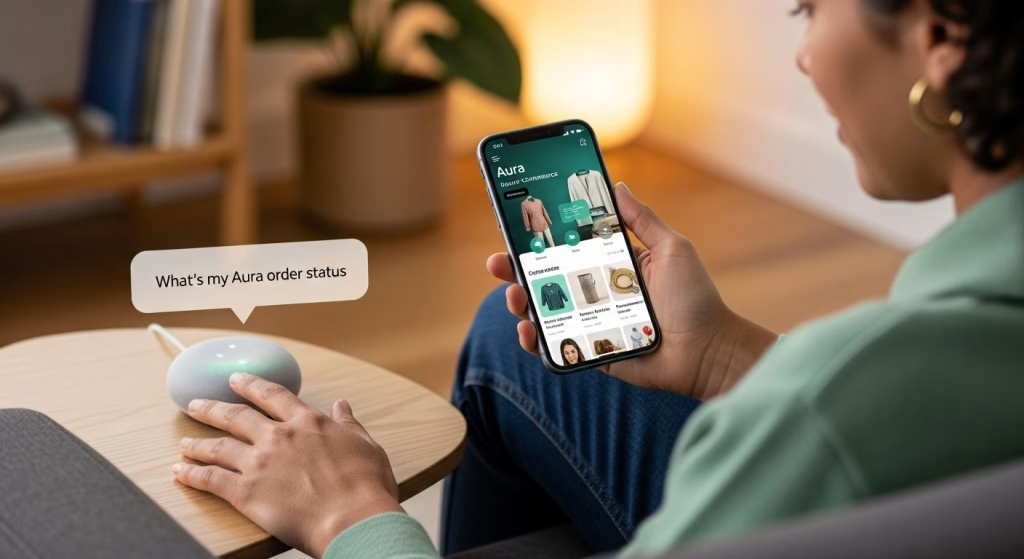
Data-driven personalization across all channels ensure your brand meets customers where they are, deepening engagement and fostering loyalty. Personalized marketing consistently drives higher sales, making it a vital component of your always-on strategy.
Now that you know the benefits and strategies, let’s look at the challenges and how to overcome them.
Challenges of Always-On Marketing and How to Overcome Them
Always-on marketing fundamentally requires unwavering consistency—ongoing brand messaging, a unified brand voice, and value delivery across all channels and customer touchpoints.
But sustaining this presence while staying relevant isn’t without challenges. Common roadblocks include:
- Resource Allocation: Continuously creating high-quality, diverse content and engaging with the audience across multiple channels can place a significant strain on time, budget, and talent, especially for smaller teams.
- Content Fatigue (Internal & External): Maintaining a steady flow of valuable content can lead to burnout internally and audience fatigue externally. Without clear goals and metrics, always-on efforts risk losing purpose, reducing both team motivation and audience engagement.
- Maintaining Message Freshness & Authenticity: Over time, the imperative to keep messaging fresh, relevant, and authentic becomes more challenging. Repetitive or stale content fails to capture attention and can dilute brand impact.
- Measurement & Attribution Complexity: Accurately measuring the long-term impact and demonstrating the ROI of continuous always-on efforts across numerous touchpoints can be intricate, and many marketers feel unprepared to measure AI’s impact.

To navigate these obstacles and ensure your always-on marketing strategy thrives, consider the following solutions:
- Strategic Automation & AI Tools: Use automation and AI to streamline content creation, distribution, and engagement, freeing up time and resources.
- Prioritize Personalized & Value-Driven Content: Use data and AI to deliver personalized, value-rich content that keeps your audience engaged. Align each piece with clear objectives to maintain internal focus and reduce burnout.
- Establish Clear KPIs: Define clear Key Performance Indicators (KPIs) to measure both short-term results and long-term brand loyalty. Use AI tools to assess ROI and the overall effectiveness of your strategy.
By implementing these solutions, brands can overcome the challenges of always-on marketing, maintaining consistency and relevance without sacrificing efficiency or engagement.
But how do you determine when to use always-on versus campaign-based marketing? Continue reading to find out.
When to Use Always-On Vs. Campaign-Based Strategies
In marketing, both always-on strategies and campaign-based marketing play crucial roles, but knowing when to use each approach is key to optimizing your efforts. Let’s explore the key differences and how to implement them effectively.
Always-on marketing is ideal for brands that aim to maintain a consistent presence and nurture long-term relationships with their audience. It works well for:
- Brand building and awareness: Continuous engagement to build lasting brand recognition.
- Ongoing engagement: Keeping customers engaged across various touchpoints over time.
- Customer retention: Fostering loyalty and long-term relationships with existing customers.
On the other hand, campaign-based marketing is more focused, time-bound, and targets specific objectives. It’s best for:
- Product launches: Creating excitement and driving attention to new products or services.
- Seasonal promotions: Capturing interest during peak times like holidays or sales events.
- Event-driven goals: Promoting time-sensitive events or milestones.
Combining both for maximum impact
While both strategies have their strengths, the most successful brands often combine always-on and campaign-based marketing. Here’s how to leverage both:
- Always-On as the foundation: This approach provides a steady, ongoing presence, building your brand’s reputation and trust. It nurtures relationships and ensures that customers stay engaged over time.
- Campaigns as catalysts: Campaigns act as powerful catalysts that amplify always-on efforts. They create urgency, drive short-term spikes in engagement, and increase visibility for specific products, events, or promotions.
By integrating both strategies, brands can ensure long-term growth while capturing short-term opportunities, making the most of each approach for a comprehensive marketing plan.
The Era of Continuous Presence
Always-on marketing has become a crucial strategy for sustained brand success. In today’s fast-paced, competitive marketplace, brands must maintain a constant presence to stay relevant and top-of-mind with their audience.
Gone are the days when isolated marketing campaign bursts alone could carry a brand; the key to long-term success lies in consistent, continuous engagement across multiple touchpoints. To thrive, brands must embrace the power of always-on marketing, ensuring they’re always present, always engaging, and always providing value.
Ready to create a lasting impact? Connect with Cluster today to design a tailored continuous presence strategy using content, media, and technology to maximize sustainable results. Let’s work together to ensure your brand’s relevance in the digital age.
FAQ
1. What does it mean to be “always-on” in marketing?
Always-on marketing shifts from isolated campaigns to a continuous, integrated strategy that keeps your brand consistently engaged with your audience. It ensures ongoing visibility, relevance, and stronger customer relationships.
2. What are the key benefits of always-on marketing?
It builds brand awareness, fosters stronger customer relationships, supports personalized experiences, and ensures engagement throughout the customer journey, ultimately driving conversions and loyalty.
3. What strategies help implement always-on marketing?
Effective strategies include content creation and distribution, social media engagement, email marketing automation, SEO and AEO optimization, and personalized customer experiences.
4. What challenges come with always-on marketing?
Common challenges include resource allocation, content fatigue, maintaining authenticity, and measuring ROI. These can be addressed with automation, personalization, clear KPIs, and efficient AI tools.
5. How does always-on marketing differ from campaign-based marketing?
Always-on marketing focuses on continuous brand presence and long-term engagement, while campaign-based marketing is time-bound and goal-specific, often used for product launches, seasonal promotions, or events.
6. Can brands combine always-on and campaign-based strategies?
Yes. Always-on marketing serves as the foundation for sustained engagement, while campaigns act as catalysts to drive urgency, short-term spikes in visibility, and amplify ongoing efforts.